Embarrass

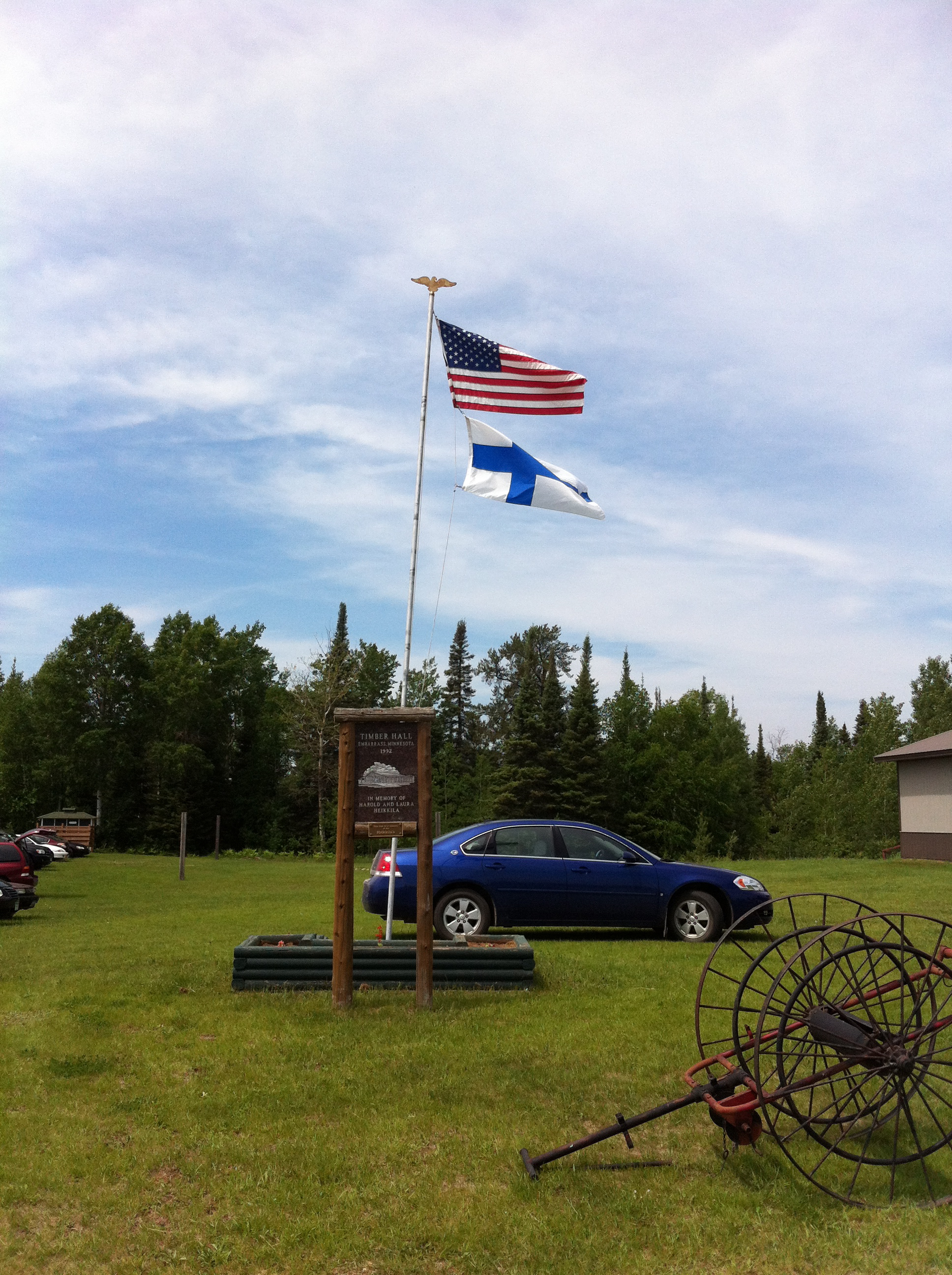
The American and Finnish Flags, Finn Fest 2012


Rudy Perpich Memorial Drive. Again. Twice in a week. Still, I love the drive. Always have since I started going up to my buddy Jeff’s Finnish farmstead in Colvin Township back in the mid-1970s. There’s something, as Sig Olson once wrote, to this “Lonely Land”, this rough and tumble landscape filled with small rivers, boggy lakes, marsh, and endless stretches of aspen, pine, and birch interspersed with open hay meadows, most long abandoned, some clinging to productive life.

Once again, I’m up at the crack of dawn and headed north to sell books. This is the third or fourth time I’ve done the Finn Fest at Embarrass, the little hamlet off County Highway No. 21 that battles last week’s venue, Tower, for the coldest spot in Minnesota and the continental 48. Tower, I think, is the winner at -60F, with Embarrass right behind at -57F. (The coldest I’ve ever felt was in the mid forties below zero and that was a shocker.) But today, as my blue Pacifica glides north, there’s no danger of cold weather: The skies are clear and humid with new summer. I expect things will go well in Embarrass: Finns are, by and large, a readerly people. And they don’t restrict themselves to Suomalaiset, my historic novel about the Finns coming to North America, though that’s the draw to my booth at these ethnic festivals. Finnish Americans and Finnish Canadians  love to read. I’m expecting to sell quite a few books in this one day, easy in, easy out event. I am not disappointed.

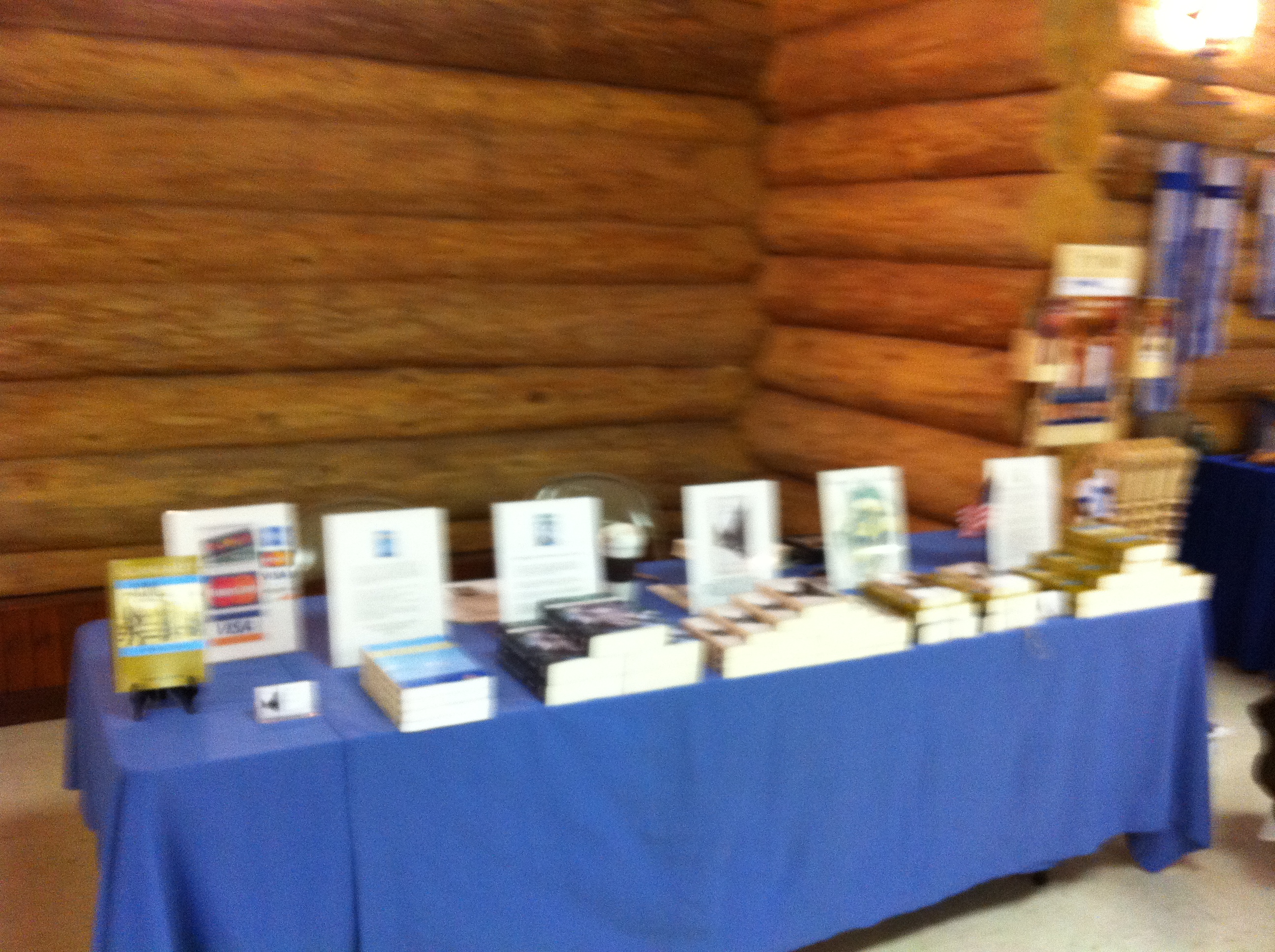
CRP Booth at Finn Fest


The beauty of this event, like the one I did in Tower last week, is that it’s indoors. While the day is warm (overly so as the mercury will touch 90F) and the skies are clear, if you’ve read my most recent posts, you know I am done with outdoor shows. Too much hassle. Too much risk. Too few customers. And a left shoulder waiting for surgery that needs rest and pampering. So when I set up inside the big log community center in the center of town, I am a happy man. Happy to have made, after years of battling the elements, a sound and wise choice to remain indoors. Here, at this little ethnic festival, the crowd begins to gather shortly after an American Legion Honor Guard raises the American and the Finnish flags outside the hall. Customers peruse my books, many of them, like last weekend, repeat customers who want another “Munger read”. Returnees, of course, bring a big smile to an author’s face. Sales are brisk. My cheeks start to hurt from all the happiness.

The sun climbs and the air inside the big building becomes stuffy. The music, kantele players and Finnish folk singers, adds to the lively, festive spirit of the event. Folks of all ages find empty chairs to sit in, listening to songs sung in a language, quite frankly, that is so daunting the best I can do is “kiitos” (“thanks”) after over a decade of being immersed in Finnish culture.

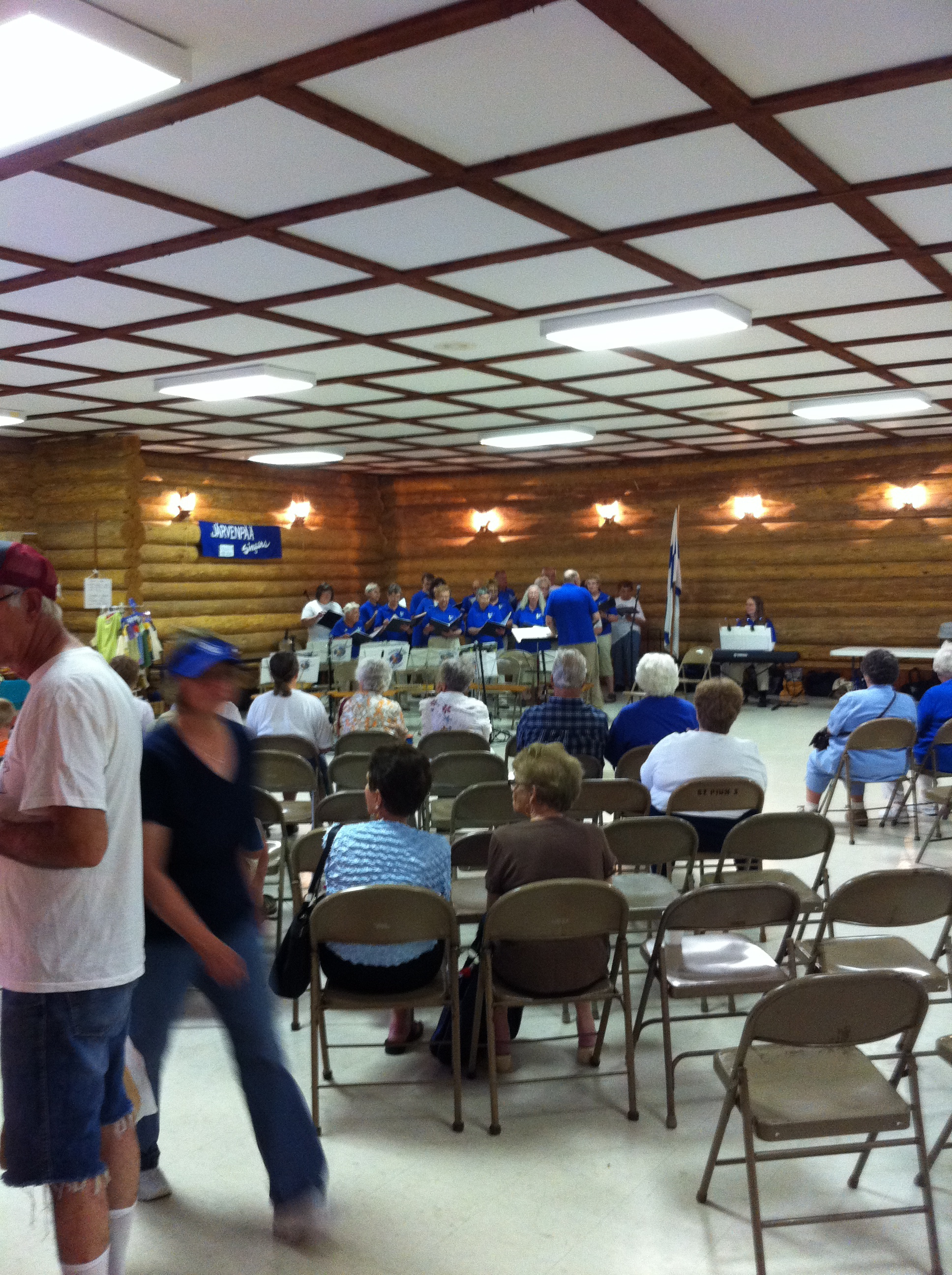
The Stage at Finn Fest


I pass up the Mojakka ja Leipa (beef stew) and donate a couple of bucks to kids selling brats and hot dogs to raise tuition for summer camp. My heart objects, telling me I should have gone with the healthier option, and I manage to leak mustard and relish onto my white cargo shorts.

Crap.

Still, the food is hot and in keeping with the celebratory theme of the event. After hitting the head, I grab my iPhone and wander outside where I know young folks will be waiting with their horses.

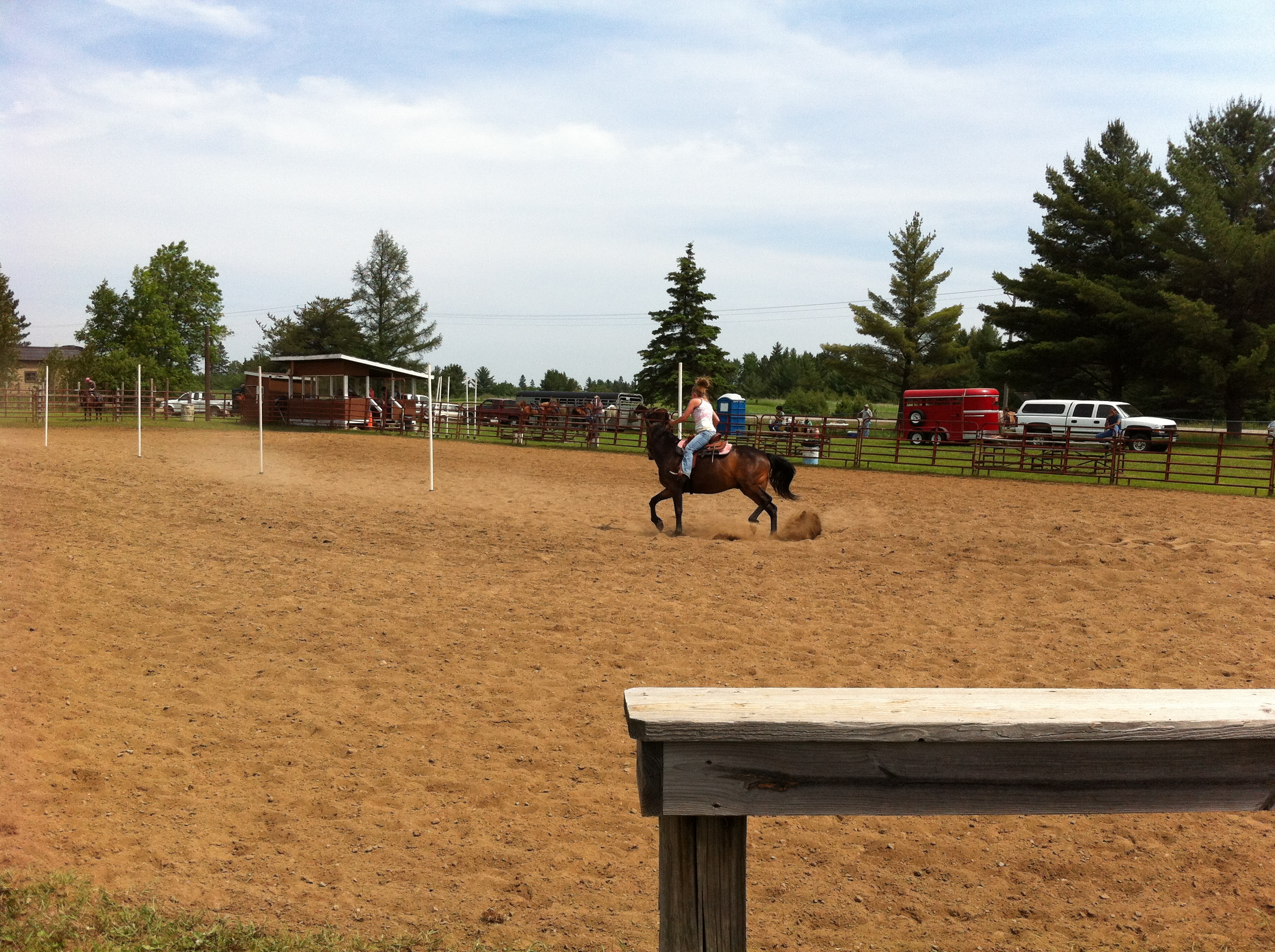
Horse Competition, 2012 Finn Fest

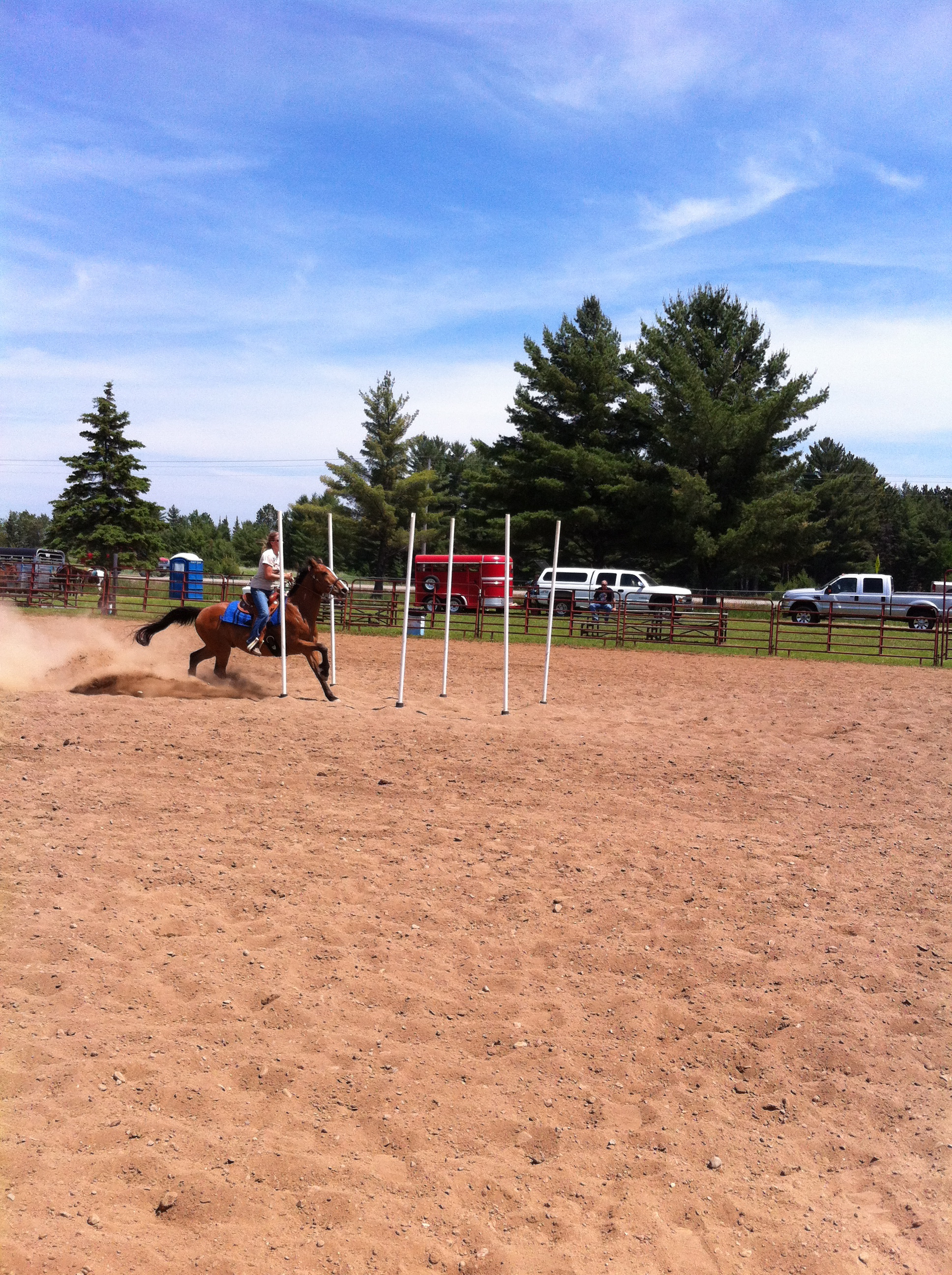
Putting on the Brakes, Finn Fest 2012

There was a time, seemingly another life ago, when I owned horses. Oh, I was never much of a rider. And my boys and my wife were never that interested in the animals. Truth is, by the time we built our new house (which lacked a barn) and sold the old place, I’d worn myself out shoveling horse crap and stacking hay bales. So selling off our three horses wasn’t that big a shock to my system. Still, I love animals. Watching young folks, mostly young women, put their big mounts through the paces in the ring at Finn Fest was a treat I hadn’t contemplated when I sent in my check for this show. It’s an added bonus, to see these majestic animals move to command under the hot Embarrass sun, several states away from where one would normally expect to watch horses work.

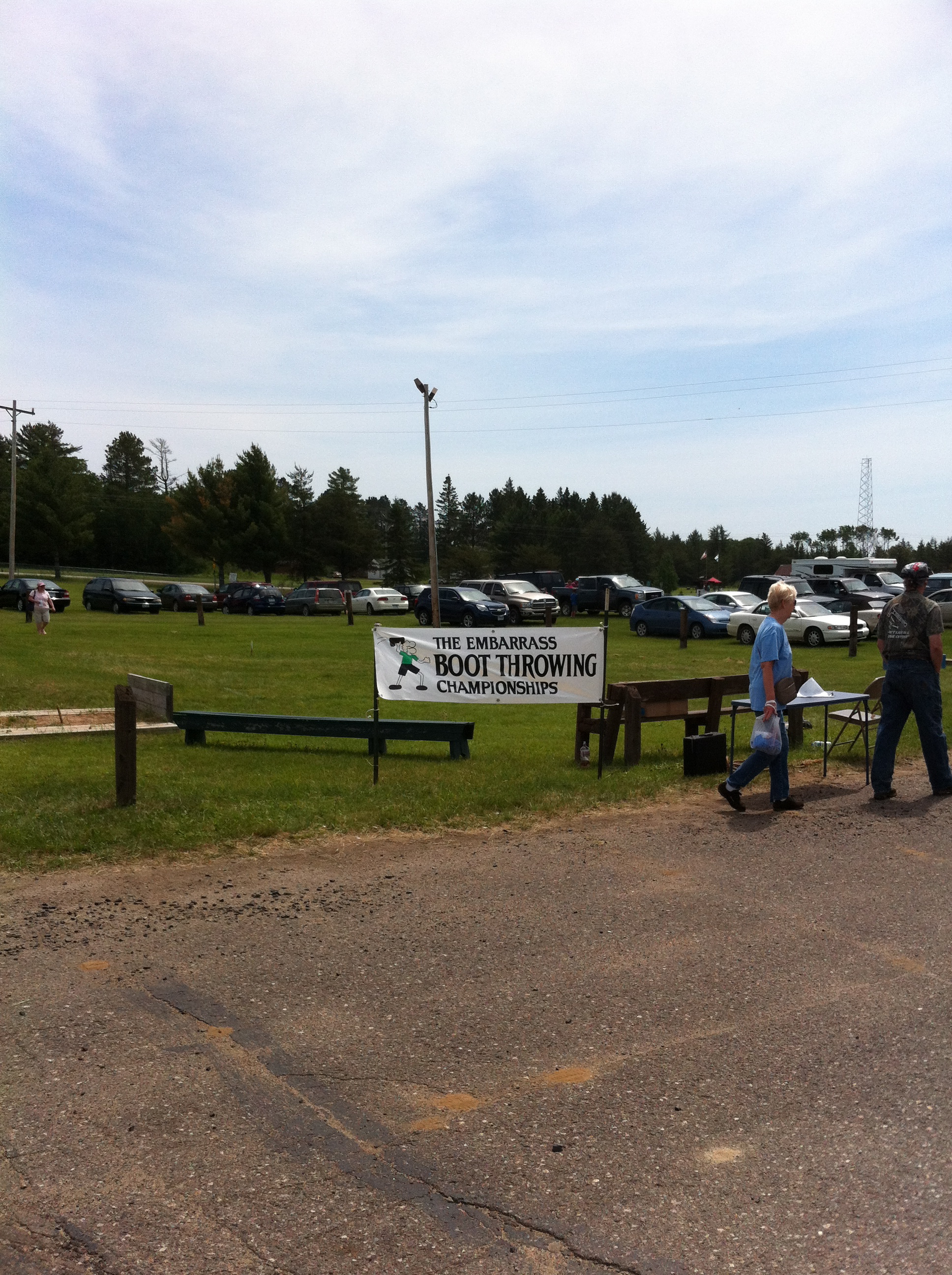
Boot Toss


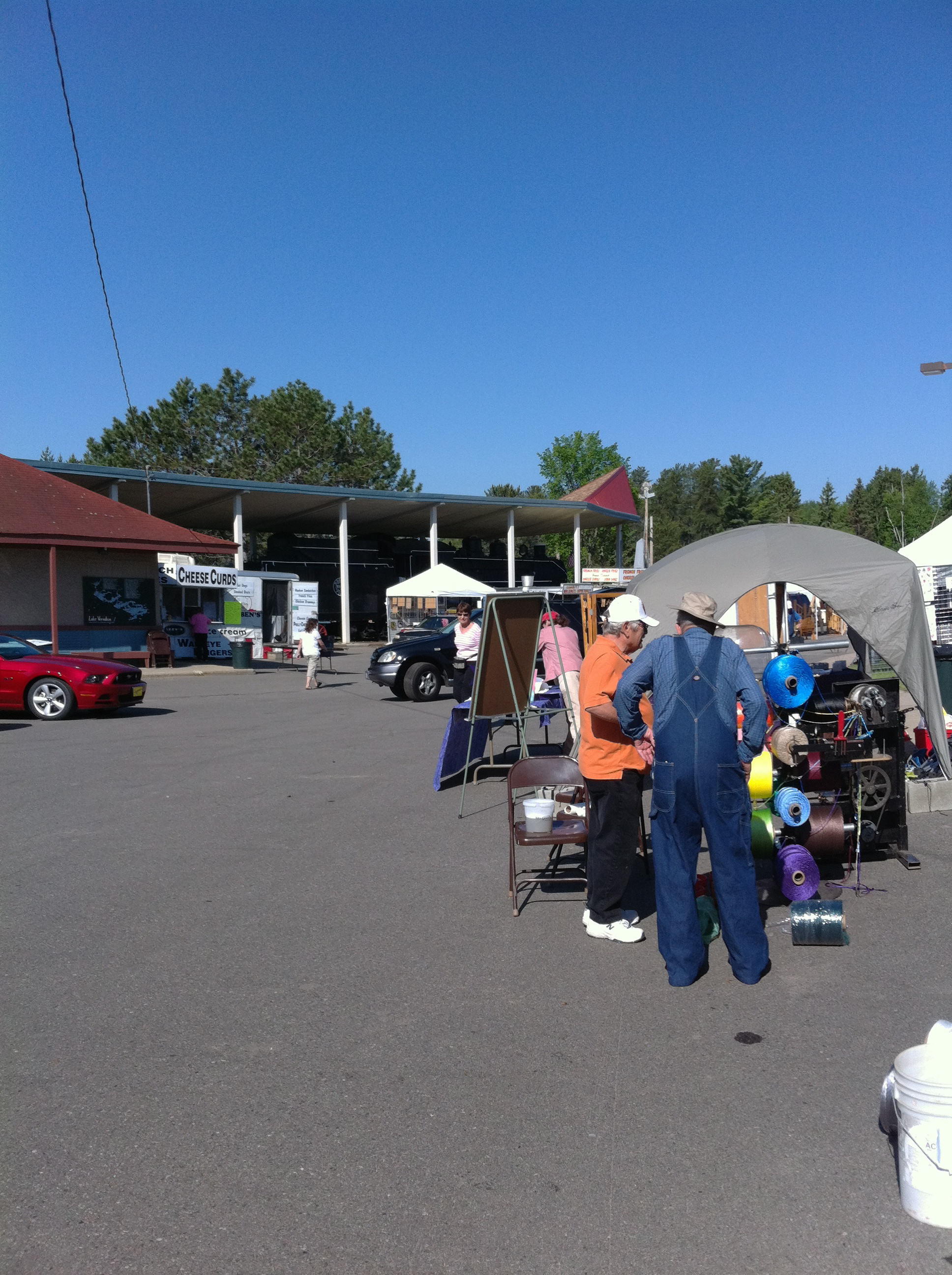
I wasn’t outside the log hall when that seminal of all Finnish contests, the boot toss, took place. And sadly, perhaps because of the advancing age of the crowd (or maybe due to liability concerns) I didn’t see any evidence of the “Wife Carry”, where husbands struggle under the girth and heft of their former lithe sweeties, totting their mates like sacks of inert potatoes to a finish line in a madcap race for the ages. But I did see kids playing a modified form of soccer under the azure sky; horses standing patiently waiting to be fed and watered; and over a thousand folks of Finnish descent (or, like me, with an interest in the culture) having a whale of a good time on a very hot and muggy day in Embarrass.


Peace.


Mark


Posted in Blog Archive | Comments Off on Embarrass

A Quick Hammock Read


Killing Lincoln: The Shocking Assassination that Changed America Forever by Bill O’Reilly and Martin Dugard (2011. Henry Holt. ISBN 978-0-8050-9307-0)

“You’ve got to be kidding me.”

That was my line Christmas morning when I opened up one of my small “stocking stuffer” presents from my wife. Not too charitable, I’ll grant you, but how else is a dyed-in-the-wool Liberal to react when his wife buys him a book written (or co-written) by one of America’s most vilified Right-wing talk show hosts?

“I mean, really, Rene’? A novel written by Bill O’Reilly? What were you thinking?”

But as a reader, I am eclectic and generally will give anything put in front of me a whirl. And so, after finishing A Team of Rivals  (see review elsewhere on this blog), I figured I might as well wade into O’Reilly’s story. You know what? It wasn’t half-bad. OK, I’ll be fair. It was a decent read.

O’Reilly confines the arc of his story to the few weeks before the end of the Civil War, the end of the war, Lincoln’s death, and the chase for John Wilkes Booth and the other conspirators that ensues. The short timeline of the story and the author’s use of the present tense gives the tale a sense of urgency that fits the subject matter. We are watching clandestinely as Booth readies for the inevitable and Lincoln moves somewhat unwittingly, somewhat presciently towards the story’s well known conclusion. Along the way, O’Reilly endows his characters with traits, flaws, and attributes which make them believable and, to a degree, sympathetic. Booth is not simply a deranged Southern sympathizer. He is also a man willing to give up the love of his life to fulfill what he believes is the ultimate sacrifice for his beloved South. Lincoln is worn and haggard from five years of internal war but has his heart set on a peaceful retreat to Illinois with his wife, Mary, and their young son, Tad. The confluence of these two men meeting is, in O’Reilly’s telling of the tale, fixed like the recent transit of Venus across the face of the sun. There is no stopping the inevitable and the rush of excitement that builds in Booth’s heart as he enters the state box in Ford’s Theater is palpable, believable, and real.

This is not a scholarly work but one meant to give the reader a bare bones understanding of the events leading to Lincoln’s death. While one could quibble with the author’s choice of using a reportage style narrative and present tense to tell the story, in the end, those attributes suit O’Reilly’s desire to make this well known and oft researched era of American history a good bet for a quick summer read.

4 stars out of 5.


Posted in Books | Comments Off on A Quick Hammock Read

Tower

On the Road Again

Saturday morning. It’s five a.m. and I’m up and in the shower, trying to wake up. Today is the day of the Harbor Festival in Tower, Minnesota where I’m slated to sell books for the next two days. The sun is climbing and the day looks good as I pull on my blue jeans, my Spiritwood Music T-shirt, and hit the road. The Pacifica is already packed so it’s only a matter of sliding in behind the wheel, turning the key, and heading north on Rudy Perpich Memorial Drive.

Driving through the Cloquet River Valley and into the drainage of the St. Louis River, I pass all the old Finnish farms that I’ve lamented and written about. Here and there, some sturdy citizen still keeps a herd of beef cattle on the scrubby land, trying to scratch out a few extra dollars in a tight economy. But the few old dairy barns I pass by (most of them have fallen into themselves) are largely empty, the milk cows that once chewed contentedly in the tamarack stalls long gone, victims of the “supersizing” of America’s family farms. What are left are a few straggling herds of beef cattle, essentially hamburger on the hoof, animals that don’t require twice a day attention at the milking stand.

I set up in the community center in Tower. I’m inside for this show, which, as I’ve said before, is my new operational guide: Inside shows only. No more EZ Up tent. The day is bright and warm. I chat with my neighbors, mostly women of a certain age who are selling their art and their crafts. We talk about the downturn in the economy, what it means to these little events and our bottom lines, all with a keen understanding that, for the vast majority of us, this is a diversion, a hobby. We are uniformly thankful we don’t have to try to live off what we make and sell.

Harbor Festival Booth


The crowds this year, like the past several years, are down as the day elongates towards noon.  Outside, I hear the milling of patrons and the strumming of guitars. When I wander out to check out the entertainment on the flatbed trailer-turned stage, I come across some old friends. Marty Pavola, John Ely, and Bill Maxwell, billed as “Bill Maxwell and Friends” are tuning their instruments. I say my hellos and stand in the late morning sunlight listening to fine musicians play cover tunes made famous by others.

Bill Maxwell and Friends


Tower isn’t the biggest show I do. In fact, in terms of attendance, even at it’s best, the Harbor Festival is one of the smaller venues I work. But I find, as I sit in my booth, plowing through Doris Goodwin’s A Team of Rivals between customers, that many of the folks who stop by and buy a book are repeat customers. For an author, there’s nothing better than having someone buy a second book. The validation that comes from knowing a reader likes what you’ve written enough to seek you out, well, that’s just about as gratifying as it gets for a semi-famous regional author.

Harbor Festival 2012


By closing time, I’ve talked with and sold books to several dozen fans. I marvel at how nice folks are to me: In over 12 years of hand selling my fiction to readers across most of the Midwest at event after event like the Harbor Festival, I’ve had but one or two disgruntled readers stop in to point out my flaws as an author. That’s a pretty good history, I’d say, given I’ve managed, in that time frame, to sell something like 14,000 copies of my books to the public. I know, I know. J.K. Rowlings sells 14,000 books a minute. Or a second. Or a nanosecond. Still, as I drive down Highway 4 towards my niece Madeline’s 10th birthday (and the promise of a cold Grain Belt), I can’t help but smile. It’s been a good day to be a writer.

Tomorrow, I’ll be headed back up the highway, “Tent Show Radio” blaring over the six speakers of the Chrysler’s stereo, for the second day of the festival. I won’t sell much. Sundays are never, with rare exception, very good days at craft fairs. But I’ll be fine (even I don’t sell another book in Tower) because my work has been validated by the folks who matter: the readers.

Peace.

Mark
Posted in Blog Archive | Comments Off on Tower

The Best Book I’ve Read This Year


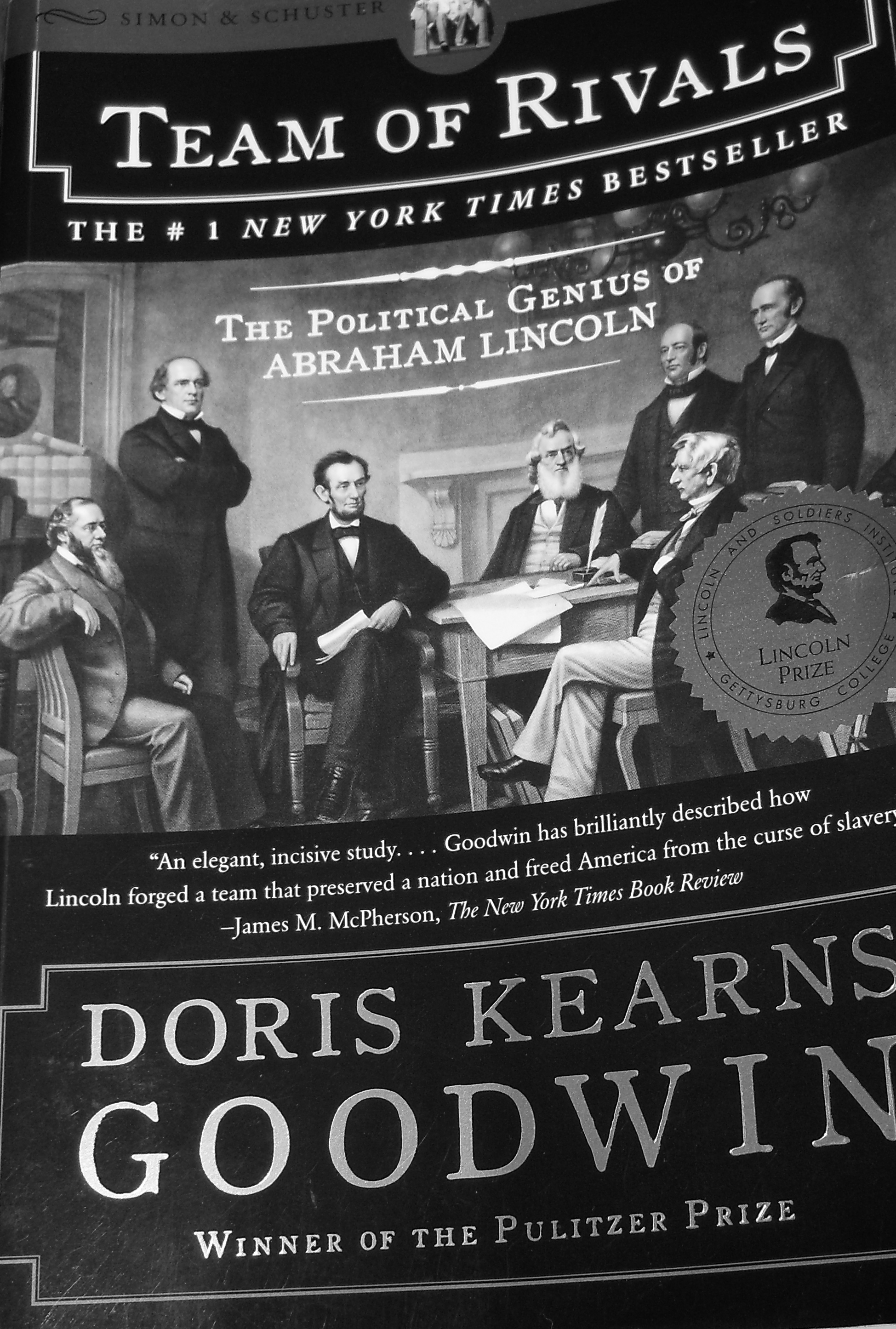
Team of Rivals by Doris Kearns Goodwin (2005. Simon and Schuster. ISBN 978-0-7432-7075-5)

Monumental. Poetic. Well-seasoned. These descriptions apply both to the subject matter of this phenomenal character study as well as to the underlying character himself. Abraham Lincoln is, without a doubt, the most lamented, most eulogized, most beloved president in United States history. Even those who grew up south of the Mason-Dixon Line understand this truth about Lincoln: He was a conciliator; the man willing to allow the wounds of a horrific breach within the fabric of this nation to heal without exacting “pounds of flesh” from Jefferson Davis, Robert E. Lee and the other leaders of the rebellion. When John Wilkes Booth assassinated Lincoln at the close of the Civil War, Booth placed his beloved South in the most precarious of positions: He eliminated the one man in the North who bore absolutely no animus or hatred towards the rebels. But, because of Lincoln’s calm, steady, unyielding hand on the tiller during the war, a calmness which overshadowed the dark and dangerous days of the rebellion, those who remained behind, including the largely inept and ineffectual Andrew Johnson, refrained from reversing course and seeking retributiont.  Wading into Goodwin’s prose, you come to appreciate the steadfastness of Lincoln’s personality in the face of overwhelming tragedy, both personal and collective.

It isn’t often when a biography of someone like Lincoln, whose life has been reviewed extensively in print and film for the better part of the past century, takes the country by storm. Why?

The answer to the success of Goodwin’s effort, I think, is two fold. First, she is a tremendously gifted writer who has an uncanny ability to take historical material and disguise it as great art. That’s not  a slam; it’s a compliment. The book, which weighs in at over 700 pages and concentrates heavily on Lincoln’s presidency (though the background of his early life is there as well) is a quick read because the language choices the author makes bring the material zest, breath, and heart.

The second reason I believe this book touches a nerve with anyone with a bone of history or politics in their lineage (and I have plenty of both in mine!) is that the contrast between today’s political landscape and the most tumultuous period of American history cannot be starker in terms of how men (for in Lincoln’s day, politics was indeed a man’s domain) put aside their personal animosity and petty politics to work for the preservation of the nation. Oh, they weren’t perfect, back in Lincoln’s time. Salmon Chase, the Secretary of the Treasury undercut and campaigned against Lincoln as a potential Republican rival even after Lincoln bested him for the nomination and brought him to Washington to serve in the cabinet. And there were others who heeded the president’s call to service who didn’t always follow Lincoln’s line. But they did, both Republican rivals and Democratic challengers, accept their nation’s call to serve a president many of them viewed, at the outset, as little more than a rail-splitting character from a comedic stage play. Contrast that willingness to place personal ambition on hold for the greater good with what we see today out of our leaders in Washington. So far as I am able to recall, President Obama’s singular Republican appointment of note was John Huntsman, whose own attempt to become the Republican nominee this year fell far short. Though Huntsman had other problems (perhaps two Mormons in the race on the Republican side is one too many?), his loyalty to country, by accepting Obama’s invitation, likely didn’t help him amongst the faithful. This, I think, is the greatest lesson that can be drawn from Goodwin’s work: While there is no question that Abraham Lincoln and his team of rivals possessed egos that would challenge those of our present national leaders, they were willing and able, for the good of a nation, to set their pride aside and work to end a rebellion. I am struck by how much Goodwin’s discussion of the conciliatory facet of Lincoln’s personality (even after Chase went behind Lincoln’s back for the 1864 nomination and was asked to resign, Lincoln brought him back into the fold as the Chief Justice of the U.S. Supreme Court) mirrors the personality of that little known, and sadly, quickly forgotten Minnesotan, State Rep. Willard Munger.

Now, let me say this plainly: In my biography of my uncle’s life, Mr. Environment: The Willard Munger Story, I in no way liken Willard to our 16th president in terms of intellect, speaking ability, or the poetic content of his speeches. That would be absurd. But there is this: Willard was, in circumstance after circumstance, able to garner support for his cutting-edge environmental legislation from conservatives. Why? Because, like Lincoln,Willard understood the motivations behind those he served with. He knew the hearts of the men and women he worked with in the Minnesota Legislature like his own. And, sadly, as you read through Willard’s story, you will witness, over the decades of his career, the slow erosion of the civility and dignity displayed by our leadership in Minnesota that, like what we are now left to consider on a national scale, has essentially derailed our Republic. Nowhere in Willard’s life or Lincoln’s vast experience did either man hold a grudge so long or so fervent that he would not walk across the aisle, shake hands, and attempt to begin anew. Goodwin, in her telling of history, is subtly hinting that there are better ways to run a nation than petty name calling and deep-seated resentment against men and women who don’t agree with your position on an issue.

I wonder if anyone in Washington has actually read and understands this book.

When a biography, where you know the ending like the palm of your hand, has you in tears at the president’s bedside, I’d say the author has hit the mark.

5 stars out of 5.

Mark

Posted in Books | Comments Off on The Best Book I’ve Read This Year

The Water is Wide

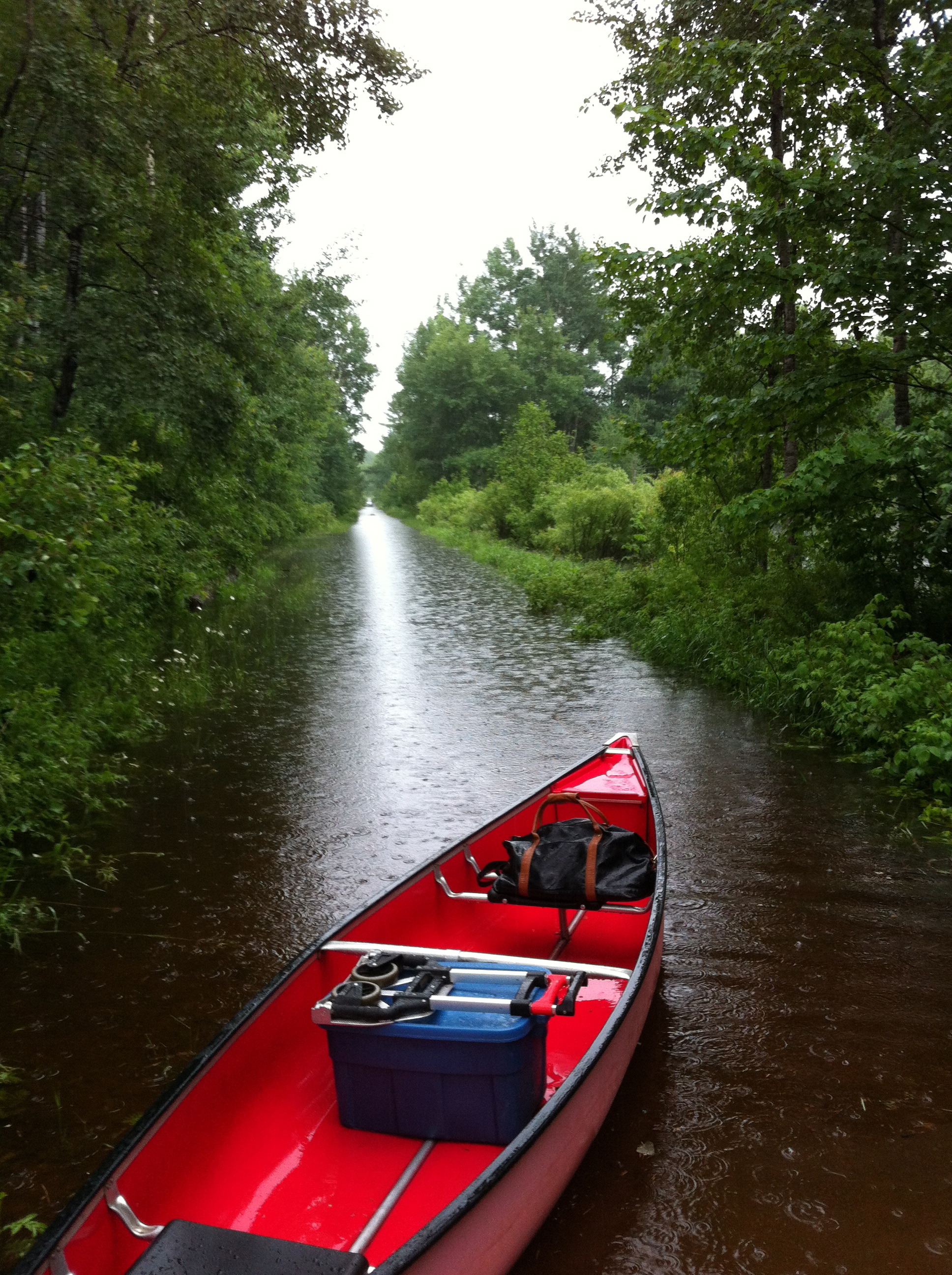
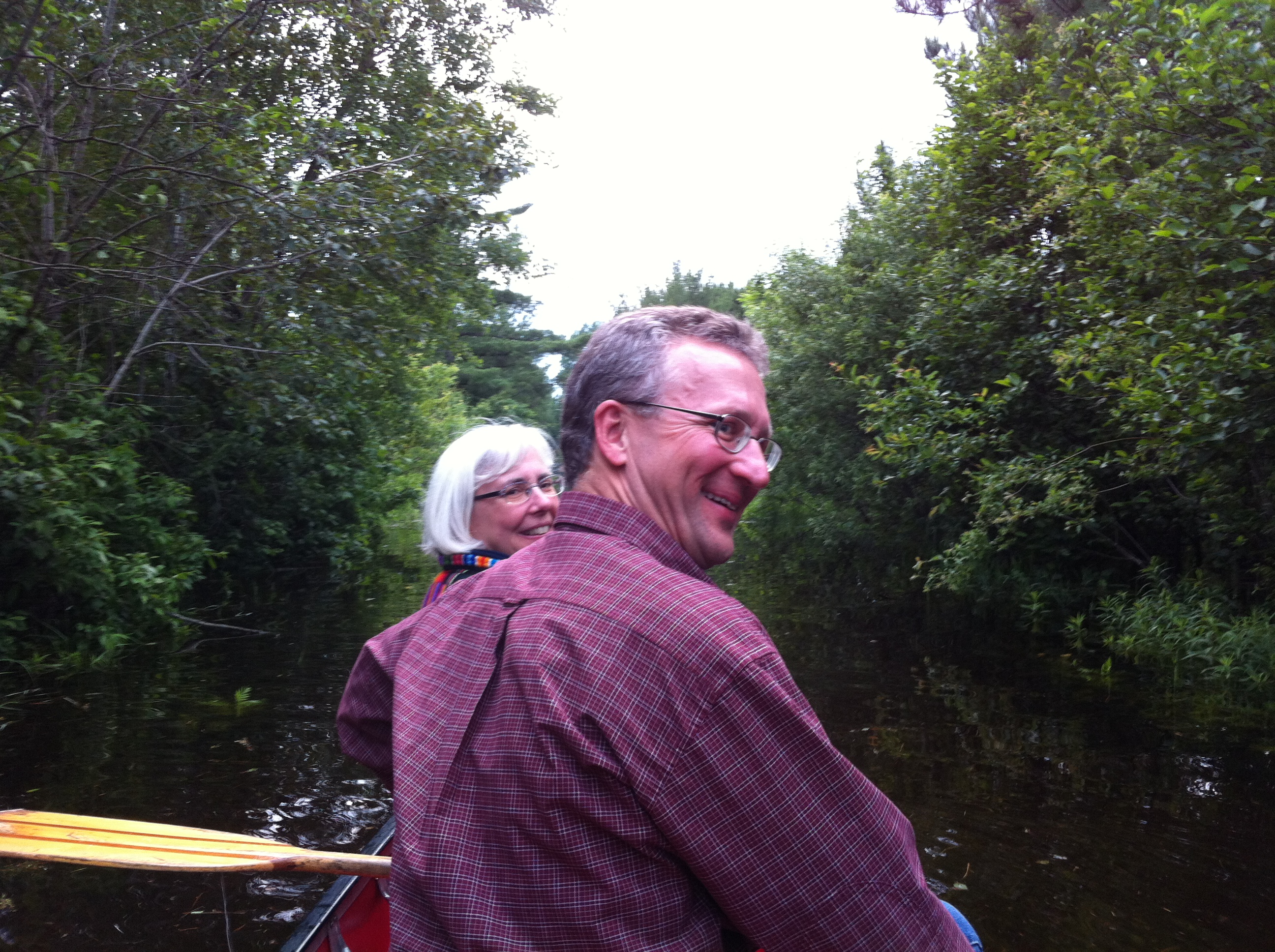
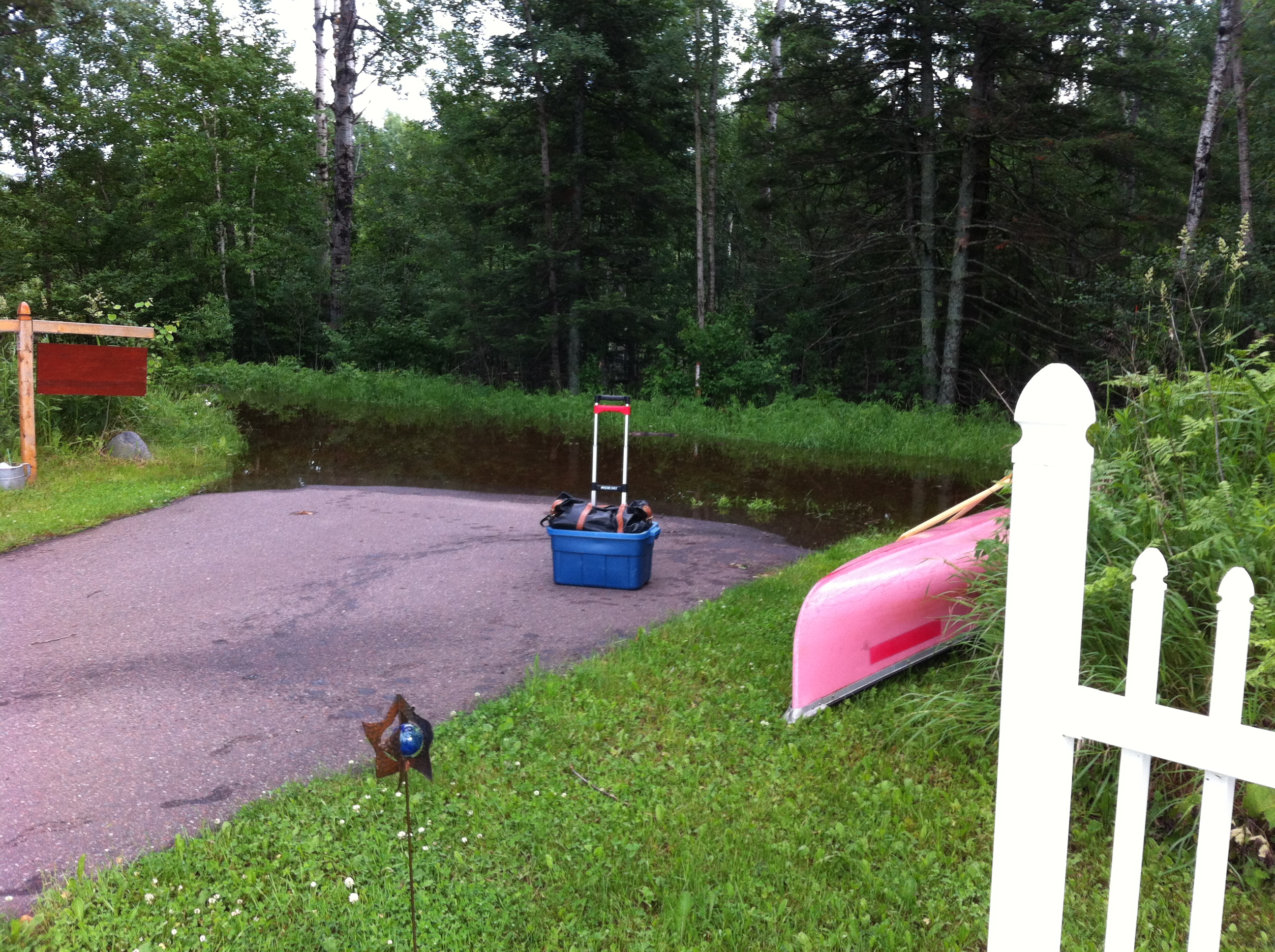
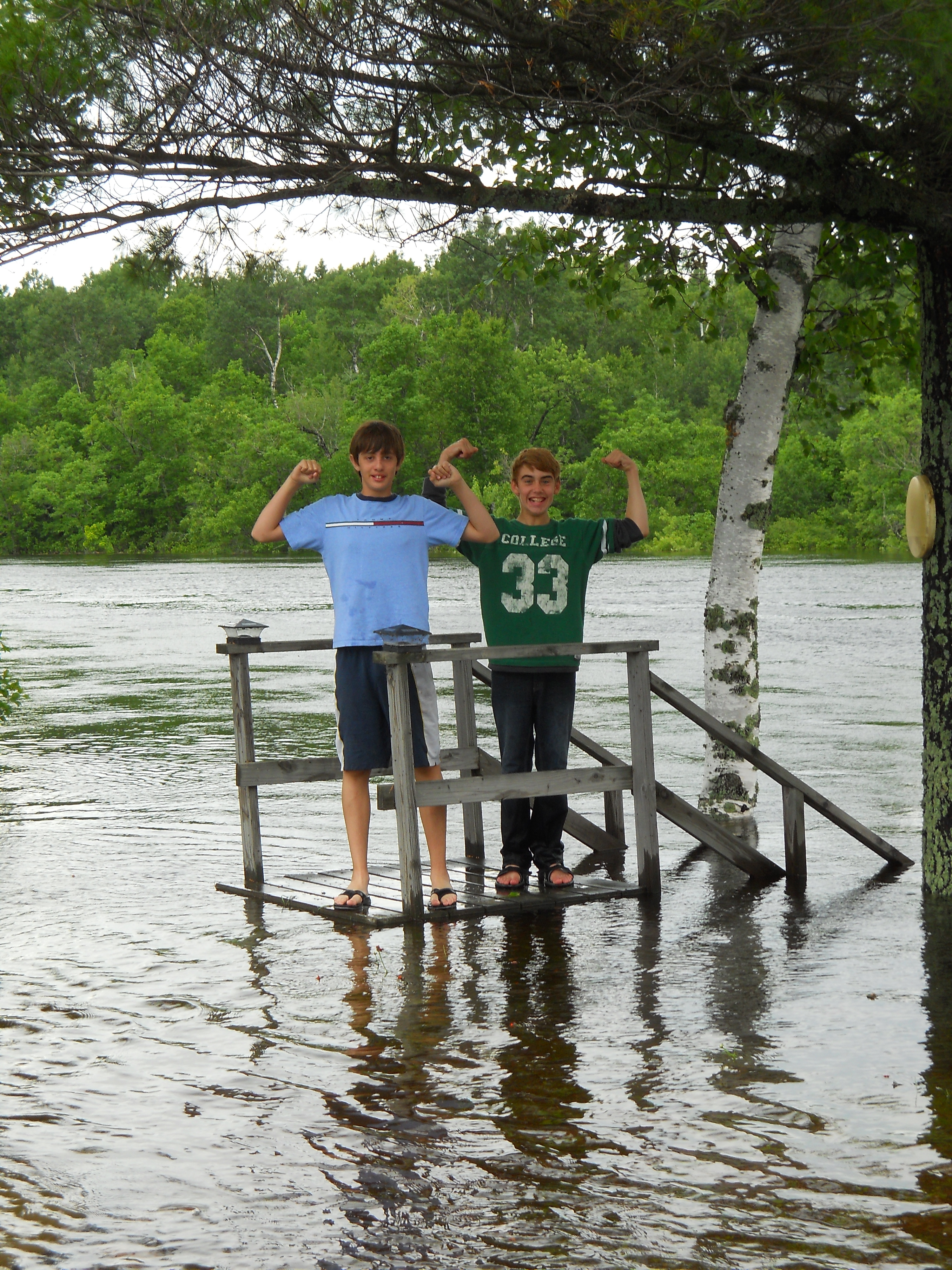
Cloquet River, May 31, 2012

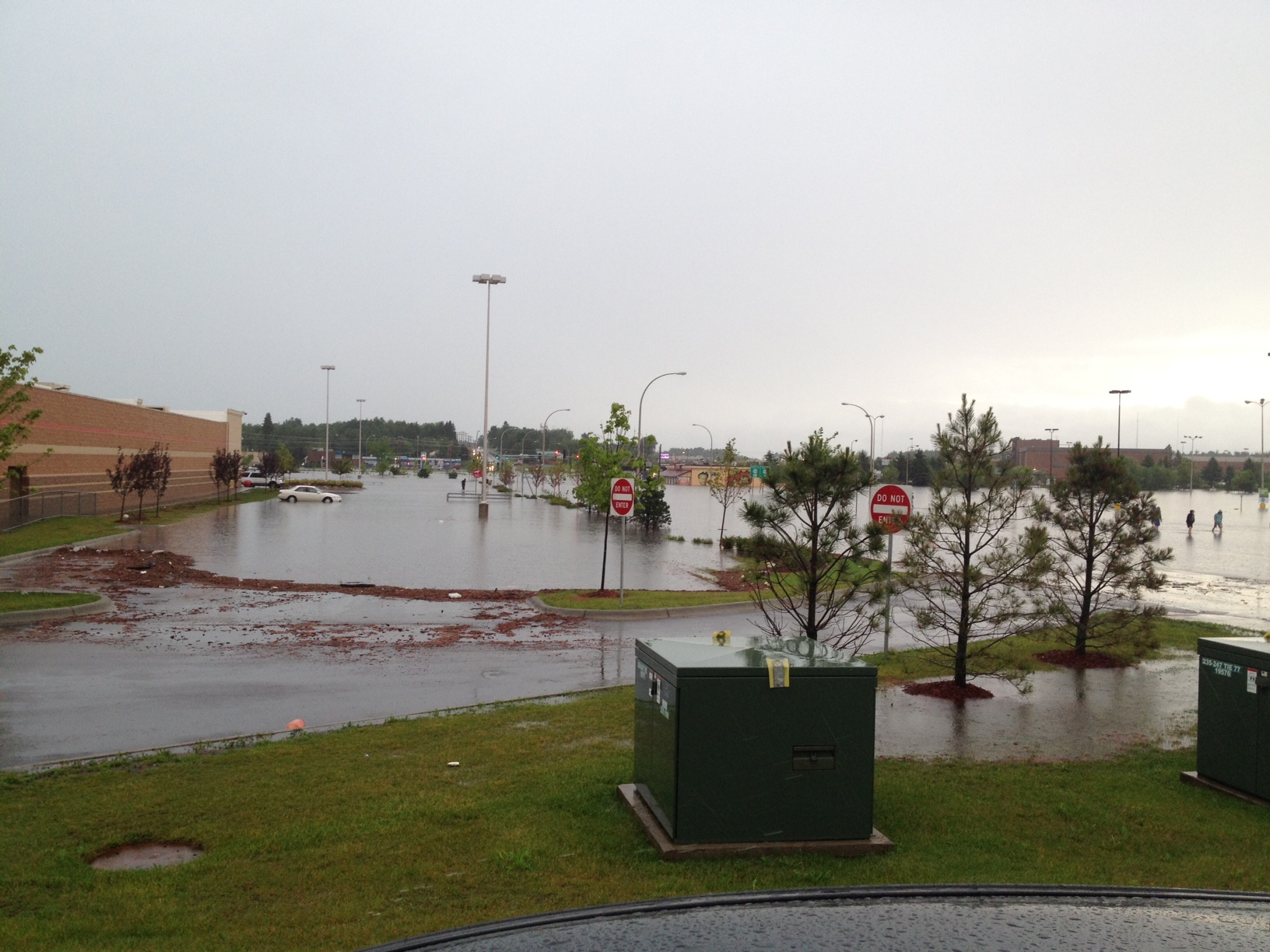
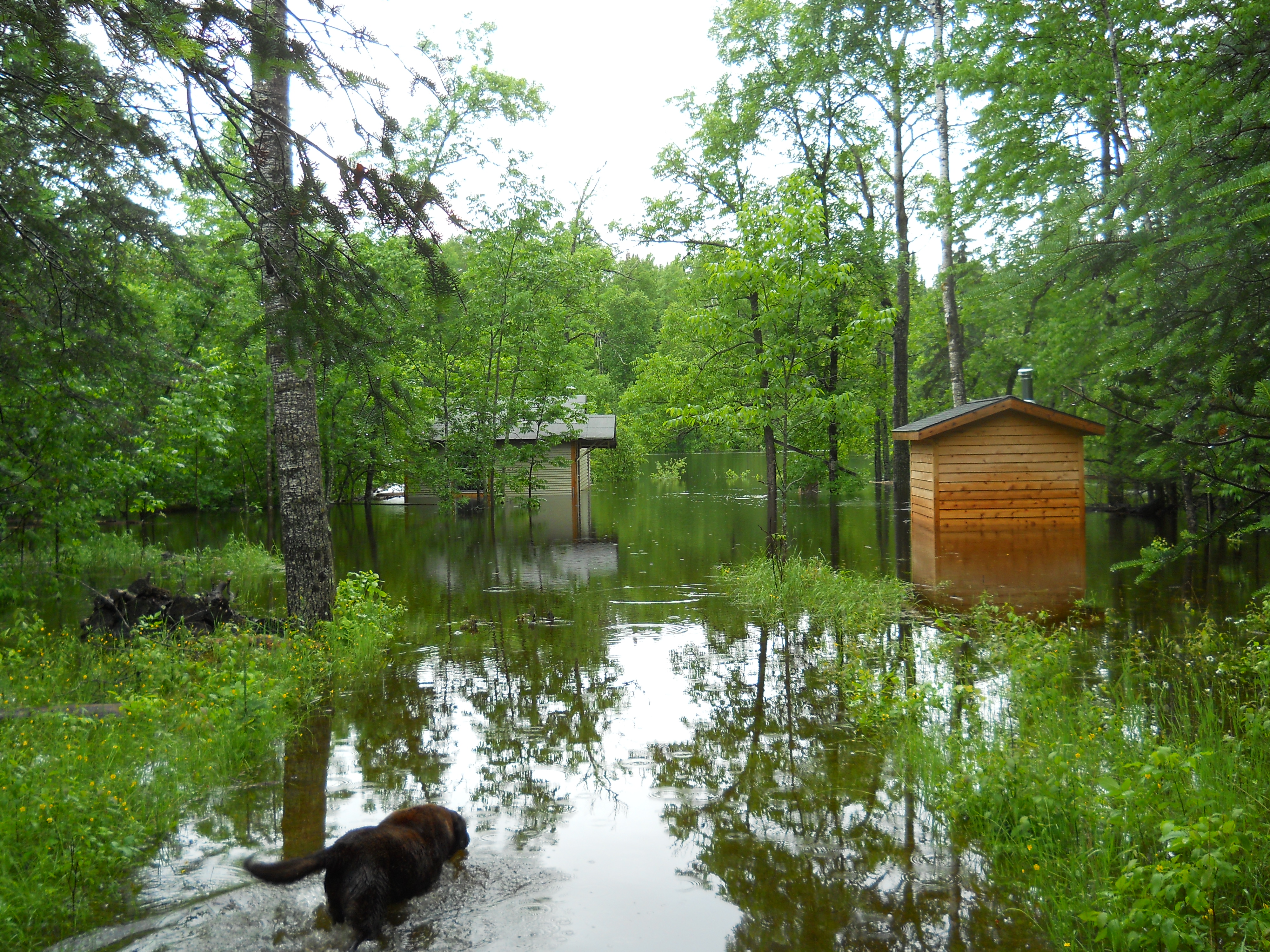
I can hear the strains of that lovely old Scottish melody as I stand next to the rising waters of the river that defines my life. If I am very still, I can hear the water gurgling, trying to tell me a story. Blue jays flit and caw. Mallards zip down the avenue of slowly flowing black water, hell bent on finding a place to safely nest away from the diluvian hand that the spring rain has opened. A solitary doe stands on the bank across from me sipping greedily and eyeing me with nervous caution.

It’s been at least six or seven years since the Cloquet River has been this high. Where we live, when the rains come and Island Lake is full and the dam is open, the river does not cascade past our home in a mad rush to join the St. Louis River on its plummet to Lake Superior. Where we live, the flow of the river is strong and steady but not hurried. Being country folk, my family measures the depth of the river in front of our home, not with a stick or a ruler, but by how high the water has climbed on “the Big Rock”. This rock, really a boulder, sits in the middle of the river, downstream from the stairs that lead from our lawn to the water’s edge. You could see the Big Rock in the photo above during the summer. But right now, it’s about four feet under water. After all the dry summers we’ve had, those of us who rely on wells in the country for our drinking water think it’s a very good thing that God has chosen to replenish our water supply with spring rain. City folk don’t think about such things. They turn on their taps and fill their glasses with chemically purified water. Out here, under the big blue sky of northeastern Minnesota, we don’t have water softeners or purifiers or any other fancy intrusions between the water that rests in the ground and the water that passes our lips. And every time I see the level of the river dip to a new low, every time I watch my lawn turn brown under the July sun because the summer rains have stayed away, I worry about our well. I shouldn’t: It’s over ninety feet down into gravel and sand and will likely, unless my piece of heaven falls victim to desertification, always be able to provide for us. But you worry about these things when you live next to a wild and scenic river even when the water is wide.

The Water is Wide

When I think of that old tune and I consider the river, I hear the voices of the millions around our world who don’t have the benefit of such a magnificent sight, such a beneficent resource right outside their back door. We who live in Minnesota, a land filled with lakes, rivers, streams, and creeks, shouldn’t forget how blessed we are. For us, the water is indeed wide, clear, and ever flowing. Let’s keep it that way.

To listen to a wonderful rendition of the song, go to:

http://www.youtube.com/watch?v=fvbEgPlvgGE

Peace.

Mark
Posted in Blog Archive | 1 Comment

In God We Trust

Four score and seven years ago our fathers brought forth on this continent a new nation, conceived in liberty, and dedicated to the proposition that all men are created equal.

Now we are engaged in a great civil war, testing whether that nation, or any nation, so conceived and so dedicated, can long endure. We are met on a great battle-field of that war. We have come to dedicate a portion of that field, as a final resting place for those who here gave their lives that that nation might live. It is altogether fitting and proper that we should do this.

(Abraham Lincoln’s “Gettysburg Address”)

On Monday, I tried my best to honor Lincoln’s sentiment. I think I have a good handle on our 16th president, thanks to Doris Kearns Goodwin’s great book, A Team of Rivals, which I’m plowing through as my early summer read. So, with Lincoln as my guide, I pulled on a heavy jacket and drove into town to attend a Memorial Day remembrance at a local cemetery. I hadn’t been to a Memorial Day event in at least four years and felt it was my duty, my obligation to those who have served us and have given, as Lincoln so aptly described later in his short poetic speech, “the last full measure” for their country. Understand: My service in uniform was meager: I was in the United States Army Reserve during peacetime, saw no conflicts or bloodshed, and was never deployed overseas. About the only good thing that can be said about my service is that I received an Honorable Discharge for my efforts. So my compulsion to attend Monday’s service really was to honor others, folks who gave their lives to protect our democratic way of life.

The big white circus tent holding folding chairs, the stage, and the crowd quickly warmed with so many bodies (someone said over 500) crammed into the place. There was, as is to be expected, the Pledge of Allegiance to open the ceremony, followed by a spirited rendition of the “Star Spangled Banner” sung by a poised young woman with a great voice. And then came the invocation. That’s when, but a few moments into the event, I felt my heart drop. Not due to the weight of all of the departed we were there to consider, but due to the chaplain’s words. There, at a memorial service in honor of all who have served and given their lives, he did the inexplicable: He threw up an evangelical Christian prayer to the Almighty on behalf of the departed.

Now, understand, I am a Christian. Always have been, always will be. But I, like Lincoln and most of the great American leaders and thinkers who came before him have always understood this truth: Calling upon God in battle (or a football game, for that matter) to render your opponent impotent is a bit silly. There is very little of God in war. There is much of man. Perhaps, in a war such as World War II, or more recently, Bosnia and Afghanistan, where the evil of the opposition is clearly defined, invoking God as the arbiter of justice makes some sense. But in a war between brothers, Lincoln recognized that, as honorable as his move towards emancipation of the slaves might be seen, the Civil War was not fought, at its outset, to free a race but to preserve union. Invoking God in such circumstances; to, in essence, fulfill a political agenda, was not something our 16th president urged or contemplated.

Indeed, if you read the entire “Gettysburg Address”, you will note that Lincoln invoked the Creator’s name on one occasion, at the very end of the speech. Those who proclaim, as the chaplain seemed to be doing on the Memorial Day just past, that Jesus walks shoulder to shoulder with our military, in every conflict, on every battlefield, miss one very important point: Many of those who have died serving the United States of America in our armed forces, and who serve today, are not Christians. They are Buddhists and Muslims and Jews and Hindus and animists and agnostics and atheists. The very document that gives us our freedom to practice Christianity also protects the faith (or non-faith) of all men and women under arms.

Since the Revolutionary War, the armed services have tried to ensure that soldiers can practice their faiths, and that chaplains serve not only those of their own sect but all who may need pastoral care. The services have also sought to adhere to the First Amendment prohibition of any government “establishment of religion.” (Christian Science Monitor)

But things, on the most recent Memorial Day, took a turn for the worse. After a number of speakers, some additional music, and the introduction of the five WWII veterans who were on the stage, the master of ceremonies launched into, what, in my humble view, amounted to little more than an evangelical Christian sermon. There was no recognition in the address of the divergence of faiths and beliefs that has, since the dawning of America, been our hallmark as a country. And, as so many folks of a conservative religious bent are prone to do, the speaker emphasized a religious history of the founding fathers and our most beloved president, Abraham Lincoln, that is not buttressed by the record. Historian after historian has been quick to point out that Jefferson, Adams, Lincoln, Franklin, and Washington, and, two generations later, Abraham Lincoln, were men of tenuous faith. They were in no sense of the word, religious zealots and, in many ways, just like you and me, struggled with the fragility of their beliefs. Invoking their memories when offering up a wholly, and restrictively Christian theme to remember our fallen service men and women is not, in my humble view, accurate or appropriate.

When the event was over, I felt the opposite of what I had come to that big white tent to feel: Instead of being filled with patriotic spirit and reverence for those who paid the ultimate sacrifice, I felt betrayed, I felt used. Now, maybe it’s just me, the crazy Liberal seeker that I am. But I don’t think so. Unsure of myself, feeling that I had somehow lost my moral compass, I spent some time talking my feelings over with two men I respect: Wayne, a WWII fighter pilot and Roger, a Vietnam combat veteran. Both of them understood my point. Both of them, men who actually felt the breeze of bullets flying past them in war, agreed: To leave out those who are not Christians but who died in America’s wars is not what Abraham Lincoln envisioned when he stood on that platform before 9,000 Americans in 1864 and dedicated the Gettysburg cemetery.

My final thought, as I stood amongst the little American flags covering the cemetery grounds alongside the graves of veterans of our armed forces was this: How would Jack Litman feel?

You likely don’t know who Jack Litman is or was. Jack was raised on the Central Hillside of Duluth. He was also a lawyer and district court judge of some renown. Most folks who remember Jack, remember those details. But what many forget is that Jack was also a bomber pilot during WWII. He flew countless combat missions over Nazi Germany. That alone is enough to honor his memory. But here’s the thing that bothered me most about my experience on Monday: Jack Litman, a member of the Greatest Generation who was my mentor and friend, was a Jew.

Peace.

Mark


Posted in Blog Archive | 2 Comments

Alas, No More Tent

The old EZ Up at the 2011 Land of the Loon Show


My left shoulder, the one that got blasted in a car accident back in January of 2010 (don’t get me started!) has finally broken down to the point where it needs surgical help. I can work through most pain and, in fact, over the past two years, that’s what I’ve been trying to do: rebuild the muscle in the shoulder and upper arm through stretches and exercise. But you can’t rebuild torn tissue by working out and so, it’s off to the surgeon I go. You know it’s time to go in when you can’t sleep through the night anymore without pain pills.

I’d pretty much cut my summer outdoor craft shows to one, the best one, the Blueberry Arts Festival in Ely, before the MRI showed the damage.  I’ve done the Ely show for years and it’s always been my most productive. So even with the severe downturn in the economy and its adverse impact on craft show vendors (including me!), and even after I eliminated every other outdoor show, I kept Blueberry on my calendar. But no more. With my upcoming surgery making it impossible for me to tote books, concrete benches, and set up the EZ Up, it’s time to leave the outdoor craft fair circuit in my rear view mirror. So I have bowed out of this year’s Blueberry and I don’t plan on doing outdoor shows in the future. I’ll miss the two Ely shows most of all because I’ll miss hearing my buddy Pat Surface and the Boundary Water Boys playing in the background as I sell books. And I’ll miss staying at the Korman cabin down the road and drinking beer with Uncle Buck. But life is about change, right? And change I must.

You’ll still be able to catch up with me at indoor arts and crafts events, and at libraries and bookstores. Just keep on an eye on this website for announcements or periodically check the calendar on this site. And if you are a member of a book club and like one of my books, ask me to come and talk about the book and writing with your group. I love doing book clubs because I learn more from you guys than you’ll ever learn from me.

To those loyal readers who found me year after year at the Blueberry Festival and Harvest Moon in Ely, or Mines and Pines in Hibbing, or the Cranberry Fest in Warrens, or the Apple Festival in Bayfield, or Fall Fest in Chester Park, or the myriad of other outdoor shows I’ve done over the past 12 years, thank you for you support and your readership.  I hope our paths cross again. But it won’t be in an EZ Up!

Peace.

Mark

Posted in Blog Archive | Comments Off on Alas, No More Tent

How It Is

Mark’s Copy of “Bird by Bird” after a bath in Whiteface Lake


One of my favorite books about writing is Bird by Bird by Anne Lamott (1994. Anchor Books. ISBN 0-385-48001-6.) I’ve read it from cover to cover at least twice and used excerpts from the book in countless lectures and workshops. I like Bird because Anne is hilariously candid about what it means (at least for those of us who aren’t Stephen King or J.K. Rowlings) to be a writer. Notice I didn’t say those of us who “want to be a writer” or  those of us who “are an author”. The issue isn’t whether you’ve been published (which would make you “an author”) or whether you have the desire to write something (be it poetry, prose, or creative nonfiction): I am assuming if you are reading this sometime after I wrote it this morning at 4:45am that you already write. And that, my friends, is really all it takes, in my book (and Ms. Lamott’s) for you to earn the title of “writer”. To be a writer very simply requires that you write.

There’s more to it, of course. To be a writer, one naturally, at first blush, must be a reader. No, not a reader of your own words. Sure, that’s part of the puzzle, isn’t it, reading revision after revision after revision of the same piece of crap that came out of your warped little mind until you are numb on the brain? But that’s not what I mean when I say you must be a reader. To be a writer requires a dedication to reading other people’s work. Voraciously. Constantly. Whenever you have a spare moment. That’s how my copy of Bird by Bird  ended up warped. I was trying to read it on the Scott’s dock at Whiteface Lake while brushing my teeth during the Minnesota Fishing Opener. Now, I, apparently like Anne Lamott (she reveals this about herself in her book) am a bit of a clutz. Some folks can chew gum and walk, or, as in the case of that bucolic morning standing on the dock jutting out into the tannin stained waters of Whiteface, hold a book and brush their teeth at the same time. I, however, cannot. One minute, I was reading Lamott’s concise prose and relearning what I’d learned from her the last time I picked up the 238 page gem that is Bird by Bird and the next moment, I’m on my knees on the cold wooden dock, trying to snatch a floating mess of soggy paper before it drifts away. Why was I so insistent upon reading Lamott on the cusp of the Opener in my PJs while brushing my teeth on the Scott’s dock? Here’s just a sample of the wisdom she imparts, in this case, about being published, in her book. This is a scene where the author has just been notified she’s been invited to a prestigious writing event. She’s shopping for a dress and reveals to the shop owner that the dress needs to be special because Ms. Lamott is a writer about to attend a special function. The owner asks the ultimate question that is always asked of us writers: “What have you written?” Lamott, who is anything but a household word, tries to brush the question off and find a dress. The shop owner is undeterred and presses on.

“Beth, Beth,” the shop owner called out suddenly…”Don’t I read everything? Tell her! Beth said yes, yes, this is true, she reads everything. Then the owner looked at me kindly and said, “Now come on, what’s your name?”

I sighed, smiled, and finally said, ” Anne Lamott.” She stared at me with great concern. The room was very quiet…Then she pursed her lips and slowly shook her head. “No,”she said. “I guess not.”

It took me about  a week and a great deal of cheap chocolate to get over that. But then I remembered that whenever the world throws rose petals at you…beware. The cosmic banana peel is suddenly going to appear underfoot and make sure you don’t take it all too seriously…

This snippet of Lamott’s candor is so close to the bone, so dead-on-honest about what it means to have your name on a book available for sale in a bricks and mortar bookstore, or online, it’s beautiful in its simplicity.

The Inside of Mark’s Water Logged Copy of “Bird by Bird”


So when my copy of Bird by Bird fluttered through the warm spring air of NE Minnesota and found the gently rocking waves of the lake a week ago, I couldn’t let that be the end of my relationship with Ms. Lamott, as one-sided and hermit-like as it might be (she of course, has no idea of my adoration). I did, in keeping with her instructions, what needed doing: I rescued the book and opened it to the sunshine filtering through the windows of the Scott cabin and let the book dry. And once the paper was no longer dripping and the book was again safe to hold, I resumed re-reading Lamott.

Why, you ask? Why was I re-visiting something I’d read before? Not once? But twice? Because, I say, because I needed the reassurance that a good teacher gives his or her pupils when they are faced with a crisis. Since I am a self-taught novelist, and since those around me, my friends and family, will naturally hide their criticism and critical remarks about my work to save me from hurt, I find the honest feedback I need as a writer in Lamott’s words and also, to a similar extent, in another slender volume from another female author, Annie Dillard. Dillard’s 111 page memoir about writing, The Writing Life is also a source of inspiration and comfort when I am in one of my funks after a book event or reading where things didn’t go exactly as planned. As I planned. But to the point: Since I saved Bird from the lake, I’ve been plowing through Lamott’s wisdom, breathing freely, welcoming her advice, finding inner peace in the knowledge that I am indeed, a writer and that, to some extent, what I create is loved.

Jimi Hendrix (the dog, not the guitarist) and Mark reading Lamott

In the above photo, I am sitting on the porch swing of our covered front porch. The rain that’s pummeled our place for two days has abated. Jimi, my wife’s daschund and I are sitting on the swing, gently swaying in the cool air, my nose buried in the last chapter of Bird. It’s a great day to finish a book about writing and to be a writer. Tomorrow, I’ll get up early and write a little piece about Lamott’s book and how important it is to me. And maybe, once I’m done with Bird by Bird, I’ll re-read The Writing Life, or finally read that copy of Stephen King’s On Writing sitting on the bookshelf that I’ve never gotten to.

But before I do that, I’ll stroke the dog’s smooth fur, prop my bare feet up on a table, and sway in the freshly washed air, thankful that Ms. Lamott has written a book about writers just for me.

Peace.

Mark

 

Posted in Blog Archive | Comments Off on How It Is

Seven Days

Rod, Don, and Harlie Privette

This week, goldfinches, purple finches, morning doves, barn swallows, and bluebirds came back to the feeders on our lawn rolling to the banks of the Cloquet River. It was 86 degrees out at the house yesterday, a record, I am certain, for May 18th in NE Minnesota. Spring has unfolded with a rapidity that matches the speed of my family’s life. The Munger family seems to be racing into the future at an unreasonably hurried clip. There’s no question that my wife and I need to slow down a bit. Here’s just a snippet of what we’ve been through the past seven days.

The lead picture to this article is of three brothers. Don, Rod, and Harlie Privette all grew up at 2716 W. 3rd Street in the modest workingman’s neighborhood of the West End in Duluth. It wasn’t called Lincoln Park back then and I’ll not diminish the memory of my father-in-law by hanging some moniker on the place he called home that isn’t true. Last year at about this time, my wife lost her mom, Mercedes Privette. Merc’s death was a sudden, unexpected event that sent the family for a loop. In contrast, Don’s death, while mourned to be sure, was wholly expected. He’d battled emphysema and diabetes and heart issues for the last third of his life. Though the folks at the Franciscan Home on Park Point took great care of him, it was a tough last couple of years. For a man used to carrying a rifle in the woods during deer season, or switching railroad cars for the BN, or pulling monster northern pike from a hole in the ice during below zero weather, sitting day after day in a wheel chair surrounded by other old folks in the same plight, well, that wasn’t living. And though there was an element of blessing to Don’s joining Merc this past week, the family still is working through its grief.

AJ Munger Enters the World.

Just before Grandpa Don left us, Adrien James Munger joined the family. He was born to my oldest son, Matt, and his wife Lisa, on May 11th. (Lisa, of course, would reverse the order of that phrase!) For those of you who missed the announcement on Facebook, yes, A.J. was the reason Matt and Lisa missed my book launch last Thursday at Teatro Zuccone. Seems the little guy wasn’t willing to wait until after his grandpa got done talking to join us. He was making his way into the world as the music played, as the words were read, and as friends, family, and fans gathered together to celebrate Laman’s River. I used to think that the launch of a new book felt somewhat akin to the birth of a new child. Not even close. A.J. is the star of the week: I’m just a shoddy old sideshow.

Grandpa Harry Fishing the Whiteface

Those of you who read this blog regularly recognize the last photo in this post. It’s of my dad, Harry Munger, and was taken last weekend during the Minnesota Fishing Opener on Whiteface Lake north of Duluth. I’ll not repeat the story told about the Munger men and their fishing exploits here: That fable has already been penned. But in the seven days that comprise the week, yesterday was another milestone for the Munger family. One day after putting Grandpa Don to rest at Oneota Cemetary, Grandpa Harry, the patriarch of the Munger clan, went in for carotid artery surgery at St. Luke’s Hospital. So there we were, my sister, Annie, my brother Dave, me, and Harry’s significant other, Pauline, sipping hospital coffee and telling old stories as the surgeons did their work. Turns out, the docs knew what they were doing: Harry pulled through just fine. He’s not in any shape today, less than 24 hours after the procedure, to read this blog. But maybe Pauline can read it to him.

My mom, perpetually young-at-heart, also had a little dose of reality this week. She went in for cataract surgery. A minor procedure, to be sure. But when a guy in a white coat messes with your eyes, one never can be too sure things are going to go well. They did. She’s fine.

Toss into this mix of life the fact that I worked some at the courthouse, wrote some at my iMac, mowed and trimmed the lawn, and let Jack drive my Pacifica for the first time (he’s 14 and will be eligible for his driver’s permit soon), and you get a glimpse of the whirlwind that Rene’ and I endured these past seven days. But the most memorable incident or event of the week?

It was me holding my newborn grandson A.J. at Grandpa Don’s funeral: an experience that put a period on the sentence that was Donald E. Privette’s life.

Rest in peace, Grandpa Don.

Mark



Posted in Blog Archive | Comments Off on Seven Days

Forty-Four

2012 Fishing Opener Featuring Jack Munger

The title says it all. I’ve been coming to Bob and Pat Scott’s cabin on Whiteface Lake for the Minnesota Fishing Opener since I was 13 years old. It started when Bob invited six of the dads in his Denfeld High School supper club to come up to his place on Whiteface, a reservoir lake maintained by Minnesota Power. The gathering grew year after year as the oldest of the sons (no daughters have ever been allowed, though the dads all have plenty of those) got married and had kids, until, at one point, the six original dads were surrounded by nearly two dozen sons and grandsons. Amongst the six original fathers in the crew, the group included a cookie salesman, a lawyer, an electrician, a railroad switchman, a grain elevator operator, and a appliance store owner. A melding of mid-America, if you will.

This year, with Bob and four of the other dads having passed away, the numbers are sparse. Four-plus decades of the Opener have seen joy in the form of weddings, graduations, births of grandkids and great grandkids, new jobs, and the retirement of old men from their chosen occupations. The group has seen its share of tragedy as well: cancer, heart attacks, Parkinson’s, the death of a daughter in a car crash, the death of a wife in a car crash and the resulting family turmoil caused because one of the sons sued his own father for his mother’s death, divorces (both for the dads and their sons) and all the other curve balls that a long history of affiliation tends to bring to a group of friends. But my old man, a stouthearted old man of German and English ancestry, is still hanging in there. Oh, he’s had his own bouts with mortality. A heart attack. A couple of small strokes. Intestinal bleeding. A hip replacement. He’s been dinged, to be sure, by age. But he’s with us on the Whiteface, tossing minnows to scrawny walleyes and snaky northern pike, just like he did back in the 1960s. A bit slower, I’ll grant you, on both the cast and the retrieve. And he needs help threading the line through the eye of the hook and keeping his line free of snarls. That’s my third son Chris’ job over the weekend; a job he gladly accepts to ensure Grandpa Harry is with us, in the boat, chasing fish. We’re missing Dylan, my second son, who is out in Williston working the oil fields to make his fortune, and Matt, my oldest, who is at home minding his beautiful wife, Lisa, and their new son, my first grandson, Adrien James Munger. Next year, boys. Next year.

Grandpa Harry Fishing the Whiteface


Bob and Pat’s second son Tim is a busy boy this weekend. He has coordinated buying the food for ten guys, about a third of the group at its peak, and then, he’s off to the college graduation of his daughter, Abbie, and other family events. He manages to spend time with us during the mornings and evenings but he doesn’t get to wet a line.

Jack, my youngest son, at 14 years old, is the youngest of the group. My Dad, at 85, is the oldest by two and a half decades. My brother Dave and his son, Jonathan, couldn’t come this year. John Scott, now the patriarch of the Scott clan, is absent as well. The other families that were once part of this event: the Listons, the Lundeens, the Tessiers, the Nelsons, have all stopped attending; not in a catastrophic departure; but like the erosion of a sand bank along a river, over time, they have simply found other things to do during the Opener. Not the Mungers. We’re persistent people. As long as the Scotts invite us, we’ll show up.

Saturday Night Bonfire. Chris and Jack Munger and Tim Scott.


Saturday morning. We’re on the lake before seven thirty, a rarity in the years we’ve been at Whiteface. Usually the bullshit and the beer fly in equal measure on Friday night as the older guys (like me) catch up with each other. This celebration of friendship usually leads to very slow departures on Saturday morning. Not this year. We’re serious about fishing for the first time in years. And it pays off. Pat “Poncho” Scott, the youngest of Bob and Pat’s kids and the captain of Boat No. 1 (I am captaining Boat No. 2), brings his crew to a school of walleye and they net quite a few. I manage to steer Chris, Jack, my dad, and me into a honey hole where we catch walleye, perch, and northern pike. My dad wants some fish to fry so we keep eight or nine. After lunch at the Scott cabin and a nap (there’s always a nap waiting at Whiteface!), we head back out but catch only snaky northerns.

Steaks sizzle. Beer is tipped. Grandpa Harry fillets his fish. After the dishes are done, we forgo the traditional Smear game and spend time sitting on benches talking around a fire. The topic turns to legislative gridlock and the wisdom of using state money to build a football stadium. The arguments for and against are passionate and heated. Chris and I take the losing side, the side opposing the deal. Voices grow louder. More beer flows. Joe Scott, the oldest grandchild of Bob and Pat, argues both sides of the case. The next morning, we greet a sunny, wondrous Whiteface morning sky, fire up the outboards, and scour the lake in search of fish. We don’t catch much on Sunday, never have. But what does it matter?

Jack and Chris Munger. Chris is mending our landing net with garden netting. The fish are very big on Whiteface!

Peace.

Mark

Posted in Blog Archive | 1 Comment